In the era of smart homes, connectivity and reliability are paramount. While Wi-Fi is a household name, Zigbee is emerging as a superior alternative for enabling smart devices. Here’s a closer look at why Zigbee might be the better choice for your connected home.
Low Power Consumption
One of the standout features of Zigbee is its remarkably low power consumption. Zigbee devices have a longer battery life compared to their Wi-Fi counterparts. This is crucial for devices like motion sensors, door locks, and smart lights that need to operate continuously and efficiently. Zigbee’s ability to work with minimal battery usage means you can enjoy longer-lasting devices with less frequent battery replacements.
Stronger Mesh Networking Capabilities
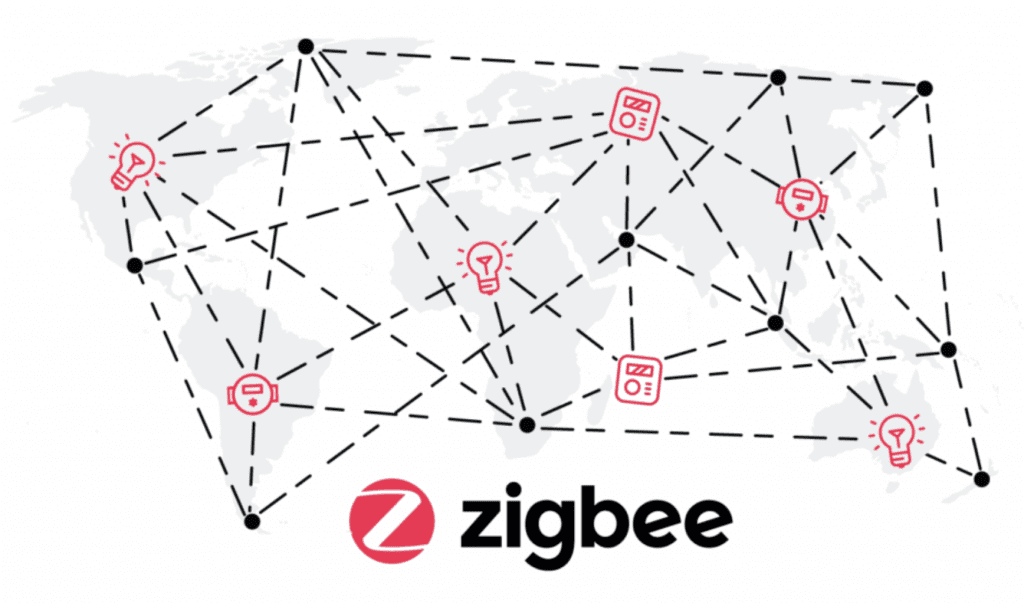
Zigbee operates on a mesh networking protocol, allowing devices to communicate with one another rather than relying solely on a central hub, such as a router. This means that every Zigbee device can act as a repeater, expanding the coverage area and enhancing the network’s reliability. In contrast, Wi-Fi can struggle with connectivity issues in larger homes or when multiple devices are in operation. With Zigbee, you gain seamless communication among all connected devices, reducing dead zones and ensuring a stable network.
Improved Interoperability
Zigbee has been designed with interoperability in mind, allowing devices from different manufacturers to communicate effortlessly. This makes it easier to create a cohesive smart home ecosystem. Companies like Philips Hue, Amazon Echo, and many others utilize Zigbee, enabling diverse devices to work in harmony. On the other hand, Wi-Fi systems often require specific apps and may encounter compatibility issues between devices from different brands.
Enhanced Security
With the rise of smart home technology, security is more important than ever. Zigbee incorporates multiple layers of encryption and authentication protocols, ensuring that your smart home network remains secure from unauthorised access. This is particularly vital for devices that handle sensitive information, such as security cameras and smart locks. While Wi-Fi also offers security measures, the broader scope of its use can lead to vulnerabilities. Wi-Fi is part of the internet so Wi-Fi devices can access anywhere, this has led to compromised smart devices being used in mass bot attacks on websites. If a Wi-Fi device is compromised this also gives the attacker access to the network and other devices such as phones or computers.
Reduced Network Congestion
In environments with multiple connected devices, Wi-Fi networks can become congested, affecting performance. Zigbee operates on a different frequency (sometimes in the 2.4 GHz range but also on sub-GHz frequencies), which helps avoid interference from common household devices like microwaves or Bluetooth gadgets. This means you can run numerous Zigbee devices simultaneously without worrying about bandwidth limitations or slow response times.
Cost-Effectiveness
Zigbee devices tend to be more cost-effective than Wi-Fi devices. Because they consume less power and are designed for efficient communication, manufacturers can often produce Zigbee devices at lower costs. This affordability makes it easier to build a reliable smart home ecosystem without breaking the bank.
Conclusion
While Wi-Fi may be the go-to option for many household internet needs, Zigbee offers distinct advantages for smart homes. From low power consumption and expanded mesh networking capabilities to enhanced security and cost-effectiveness, Zigbee is a strong contender for anyone looking to create a reliable and efficient smart home environment. Whether you’re upgrading existing devices or installing new ones, consider Zigbee as the backbone of your smart home connectivity.