This guide outlines the different types of smart bulbs and helps you choose the best options for your smart home. Modern LED smart bulbs can last for many years, so consideration for functional and decorative lighting is important.
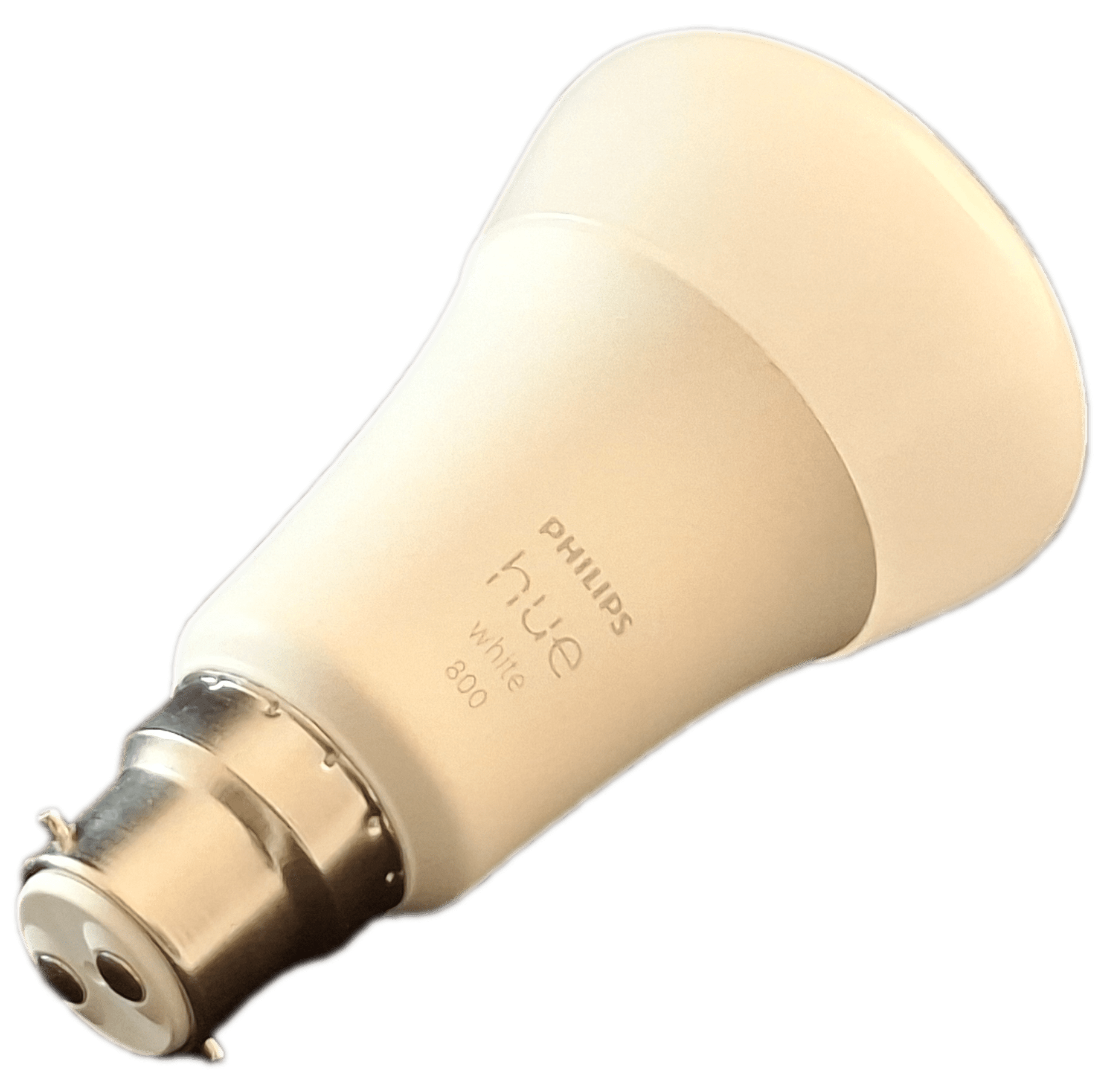
Smart Bulb Options
Single White
Functions:
- Turn on and off
- Dim lighting
Multiple White
Functions:
- Turn on and off
- Dim lighting
- Adjust colour temperature from bright white to warm white
Colour
Functions:
- Turn on and off
- Dim lighting
- Change to any colour
Please note that the system controls dimming through the server rather than a traditional dimmer switch. To ensure smart bulbs operate correctly, keep the wall switch permanently switched on. A Zigbee GU10 bulb uses 0.2 W in standby while a Zigbee B22 bulb uses 0.5 W. Because Zigbee operates as a mesh network, overall standby power consumption remains lower than that of a Wi-Fi hub, and coverage improves as you add more devices.
Scenarios
Hall, Cupboard, Garage, etc.
These spaces typically use a single pendant light with a B22 (bayonet) bulb. A single white smart bulb meets the lighting needs of these areas.
Office, Bedroom, Bathroom, Kitchen, etc.
These rooms often use either a single pendant or multiple downlights. They benefit from ambient lighting, allowing you to shift whites to warmer tones in the evening for comfort, mood, or improved sleep in bedrooms.
Lounge, Kitchen, Bedroom, Feature Areas, etc.
These spaces suit decorative lighting that adapts to user preferences, including full colour-changing options.
Summary
Lighting plays a key role in smart homes and can actively respond to emergencies such as fire. When connected to smart smoke alarms, the lighting system can automatically switch on all lights if a sensor triggers. This response enhances alarm visibility and illuminates escape routes, especially in smoke-filled conditions. Lighting automations tailored to user requirements can bring benefits to the smart home, allowing users many options and adjustments.